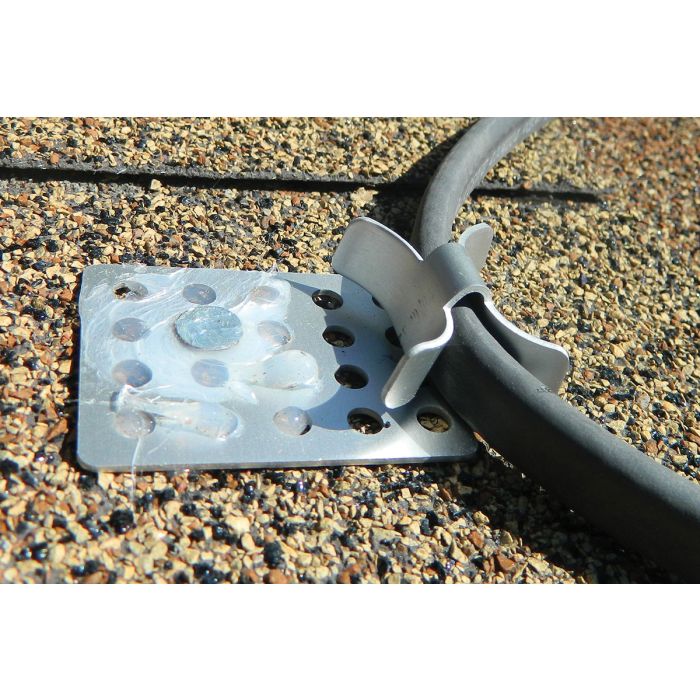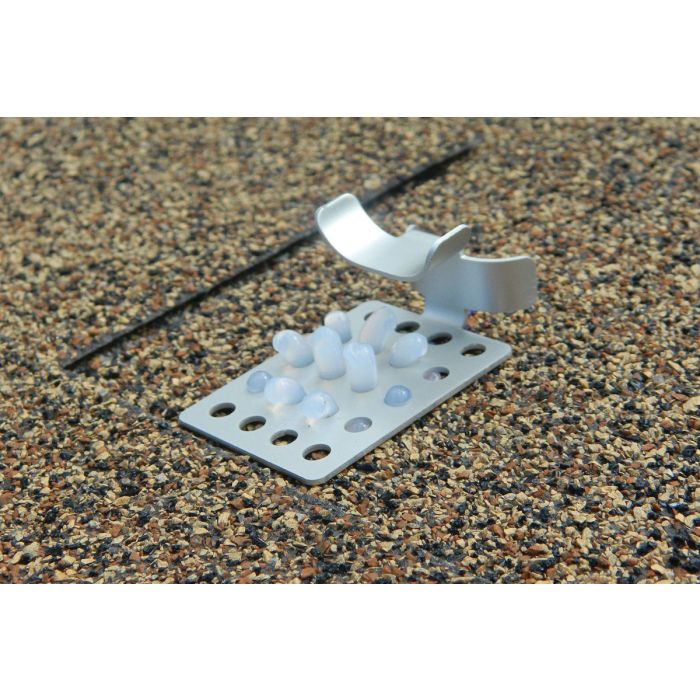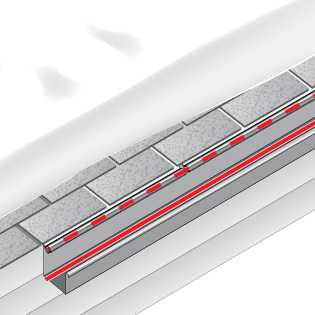
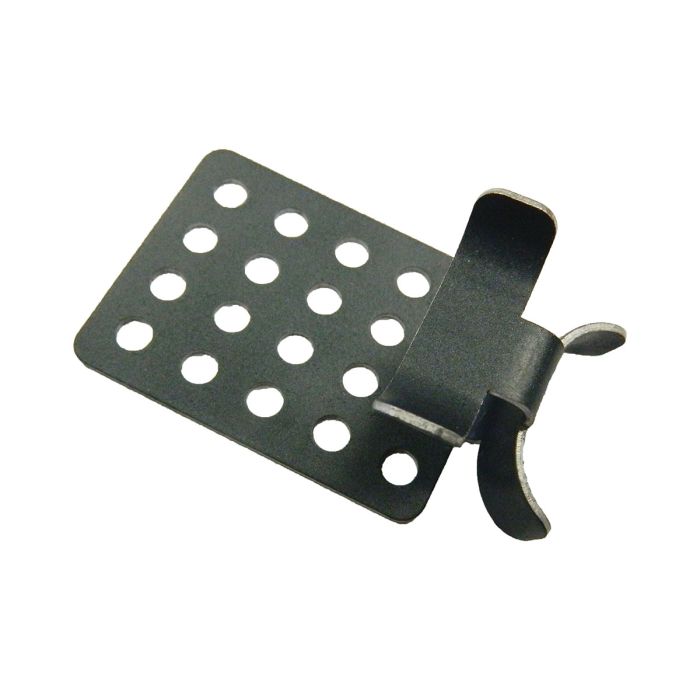
Roof & gutter clips to safely position and secure heating cable to shingle and metal seam roofs as a part of a roof & gutter snow melting and de-icing system.
- Quantity: 10 or 50 pack
- Material: Aluminum
$20.75
Roof & gutter clips to safely position and secure heating cable to shingle and metal seam roofs as a part of a roof & gutter snow melting and de-icing system.
| Weight | 0.25 lbs |
|---|
150 Foot Roof & Gutter Pre-Terminated Snowmelt Cable Kit
$708.00
8" Insertion Cartridge Heater 1000w 240v SS Right Angle Lead
$157.88
50 Foot Roof & Gutter Pre-Terminated Snowmelt Cable Kit
$268.00
3 w/ft 120v Heat Trace Cable For Fire Sprinkler Freeze Protection - General Area
$12.08
15 w/ft 120v Heat Trace Cable For Fire Sprinkler Freeze Protection - General Area
$13.63
3 w/ft 120v Heat Trace Cable For Fire Sprinkler Freeze Protection - Corrosive Area
$15.81
15 w/ft 240v Heat Trace Cable For Fire Sprinkler Freeze Protection - Corrosive Area
$17.71
Narrow Space Bare Transducer 5000psi 10" capillary + 18" flex
$825.00
Mercury Free Pressure + Temp 10,000psi 12" stem + 18" flex
$1,023.00
Narrow Space Transducer 10,000psi 28" Flex
$825.00

Heating Elements Plus is the online sales division of Protherm Industries, Inc., based in Nashville, Tennessee. With over 40 years of experience in process and industrial heating, we are more than just a supplier—we are a trusted partner who understands the demands of your industry.
Whether you’re looking to place an order directly through our secure online store or need help from one of our engineers, we are here to provide fast, reliable, and knowledgeable service.


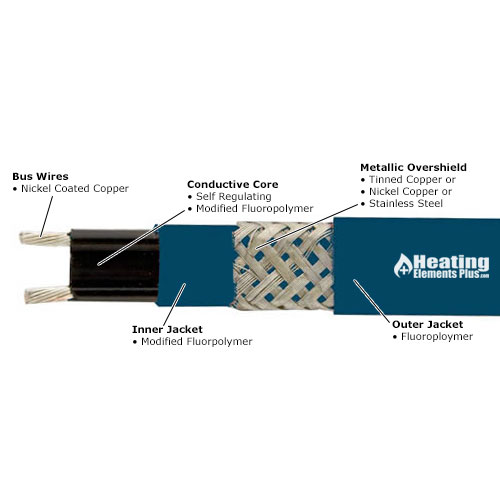
Self-Regulating Heat Cable is commonly used for freeze protection of water and drain lines, and for protecting residential and commercial roofs and gutters from ice dams. The temperature rating is for the heat cable’s outer jacket and has nothing to do with the actual temperature of the cable. For most residential applications, you will choose the low temperature cable, as most water lines in the home never exceed 150 degrees.