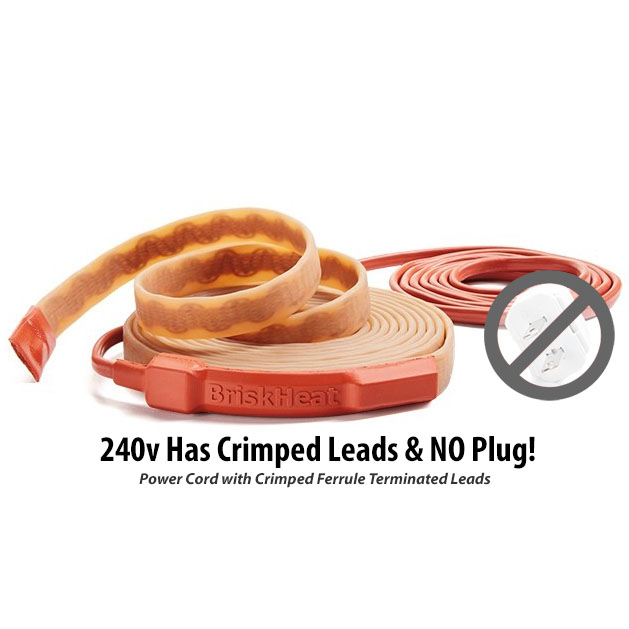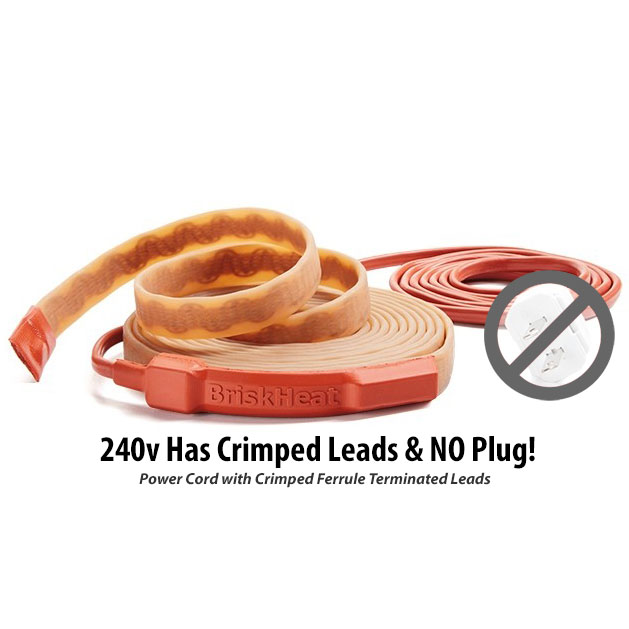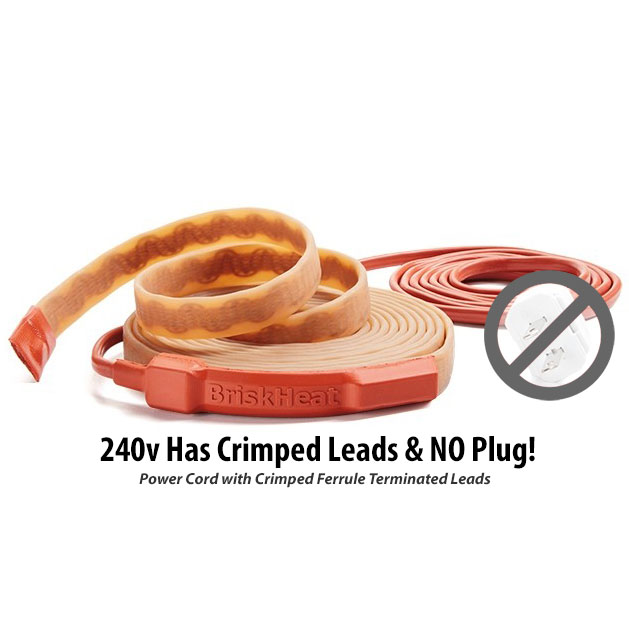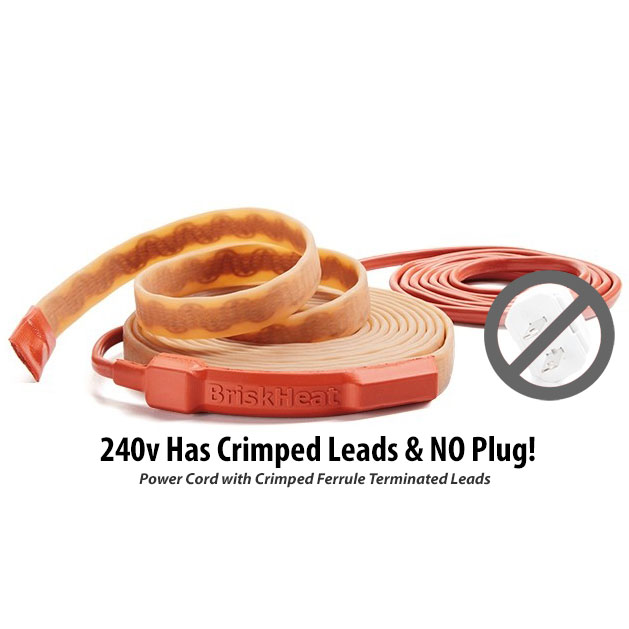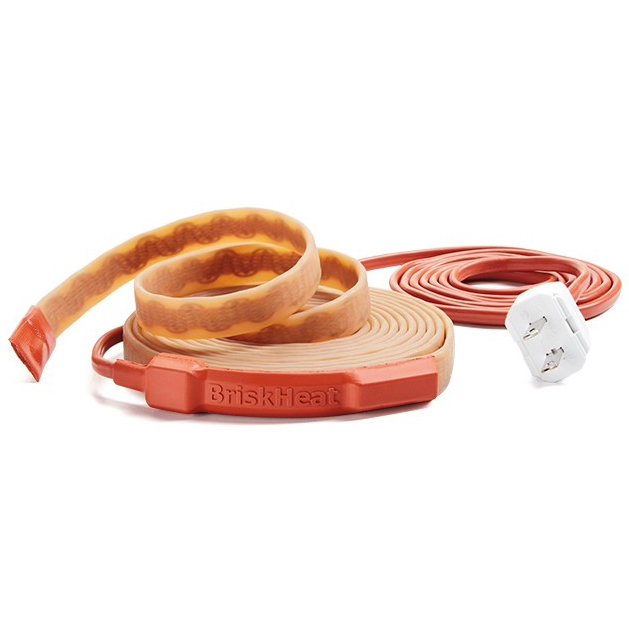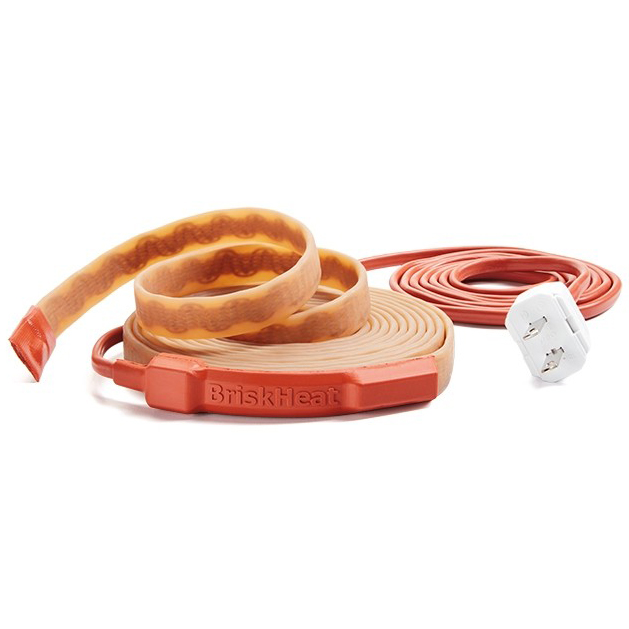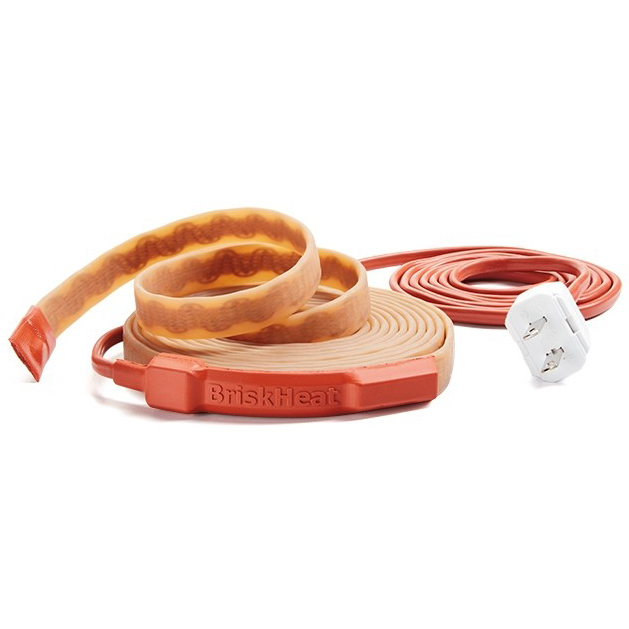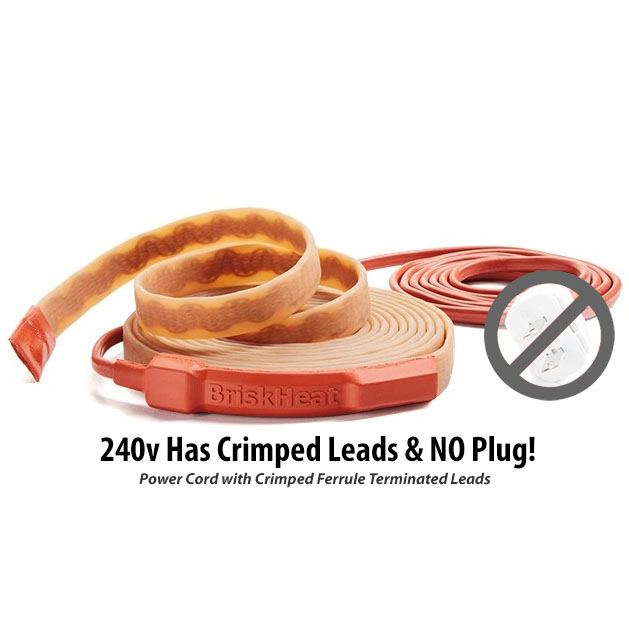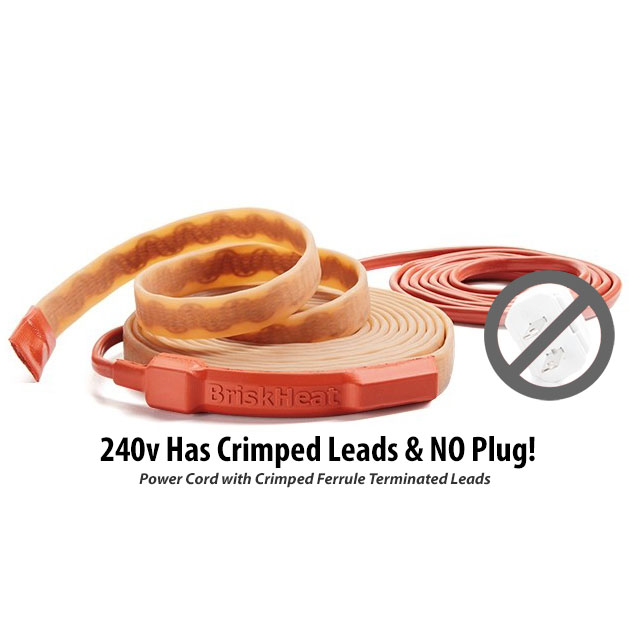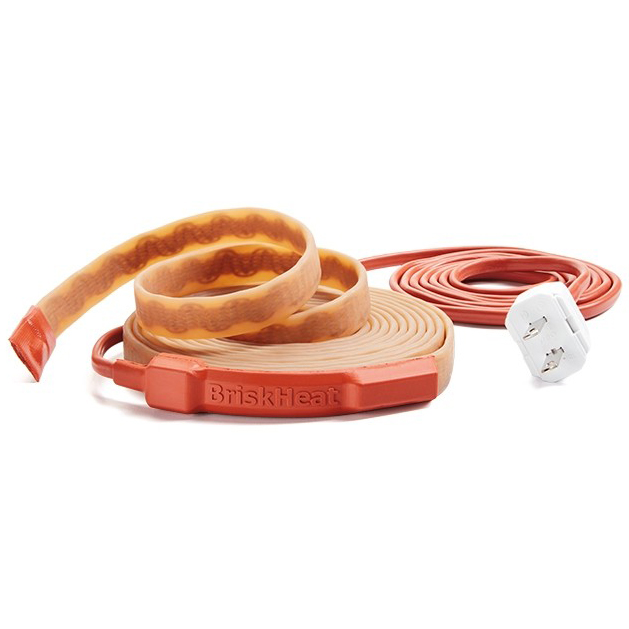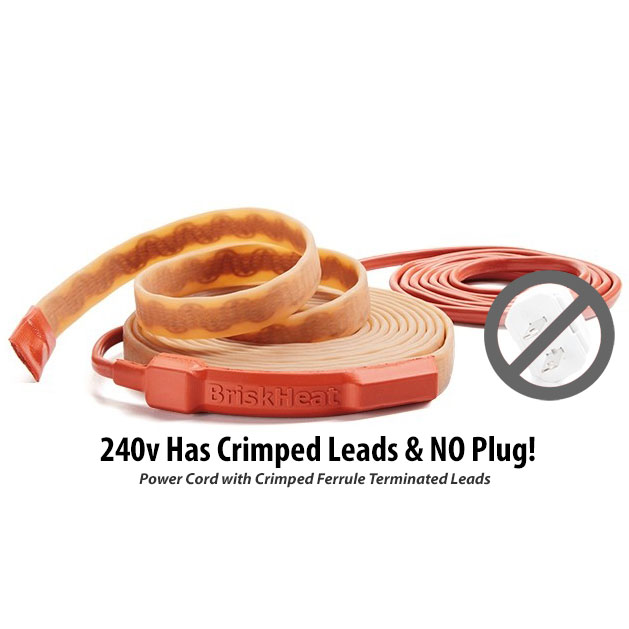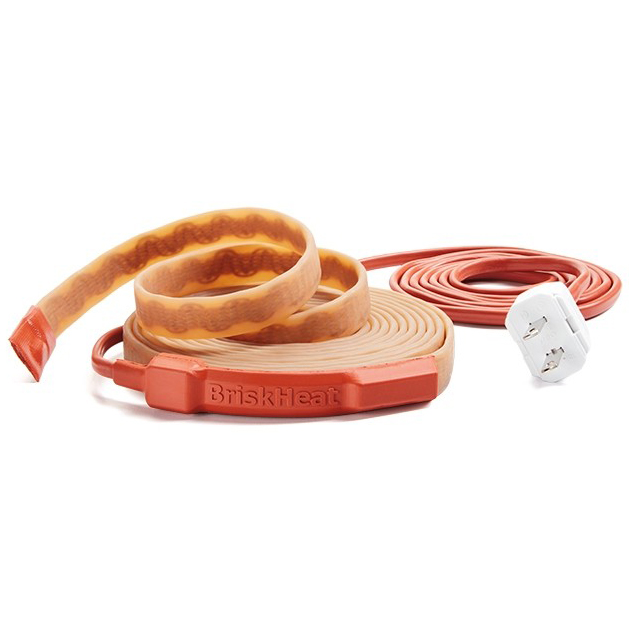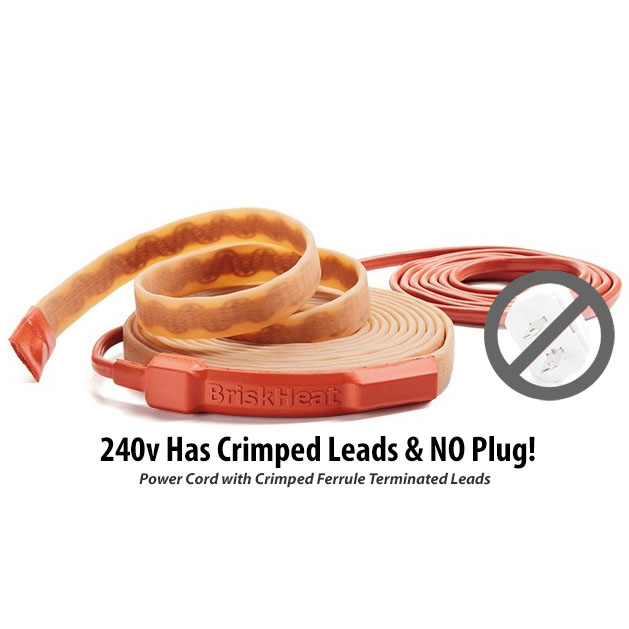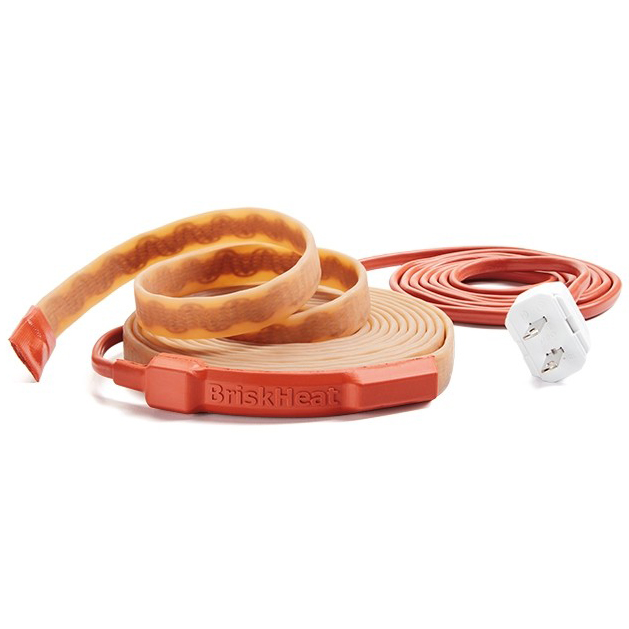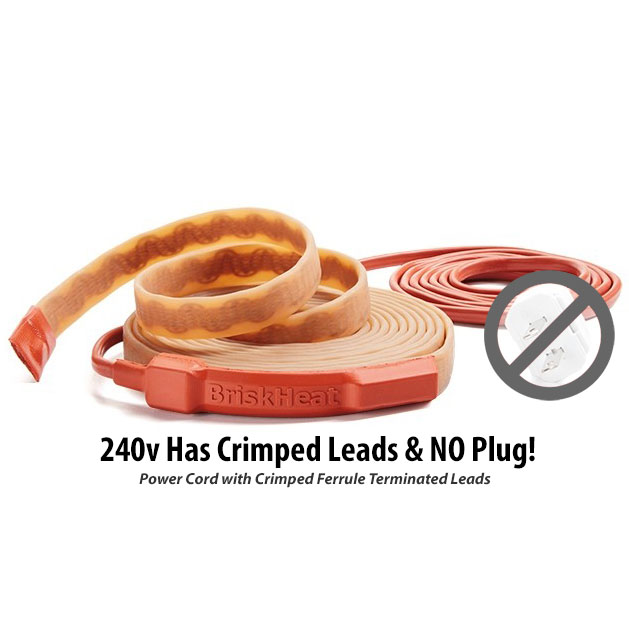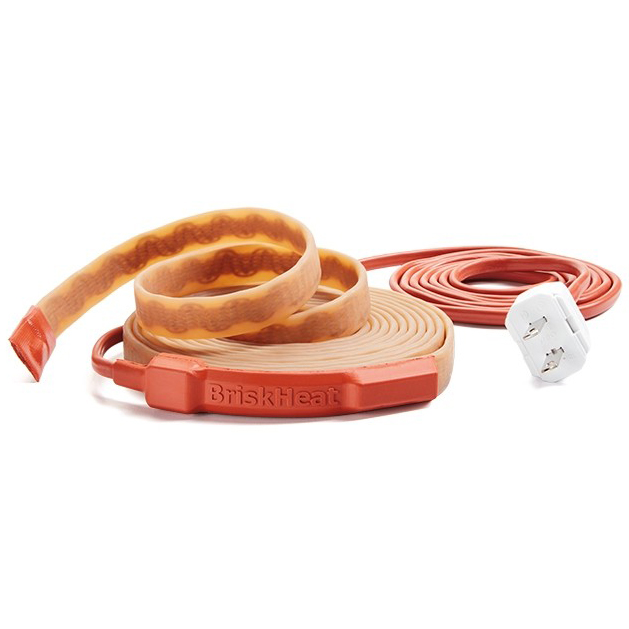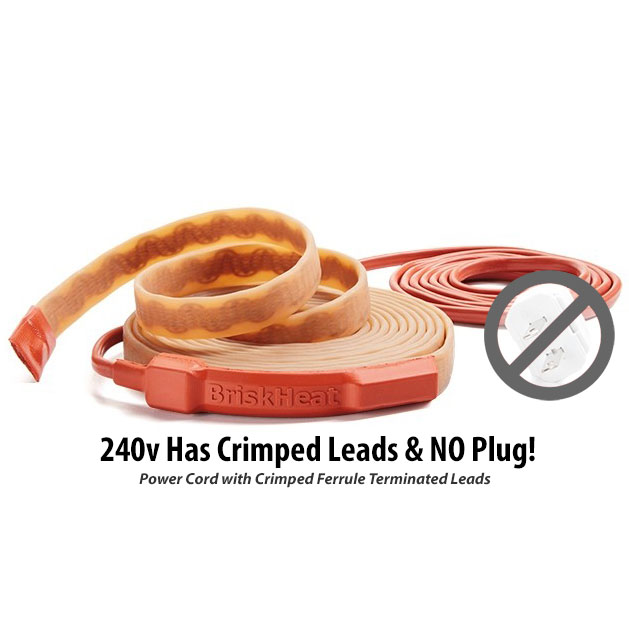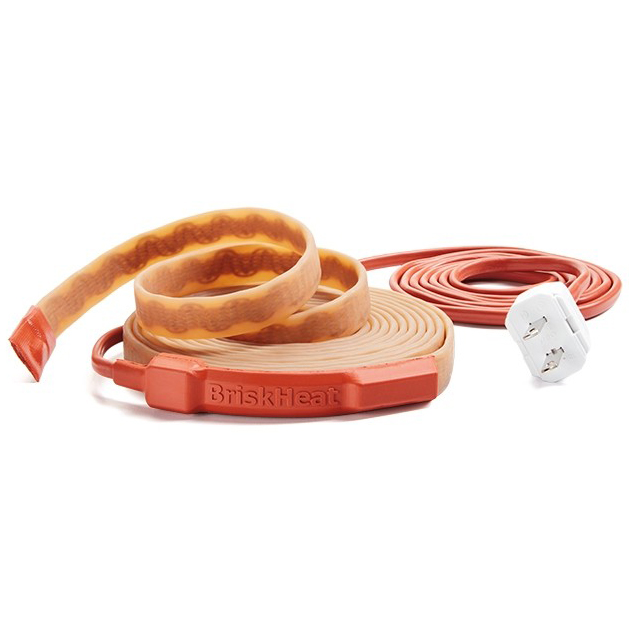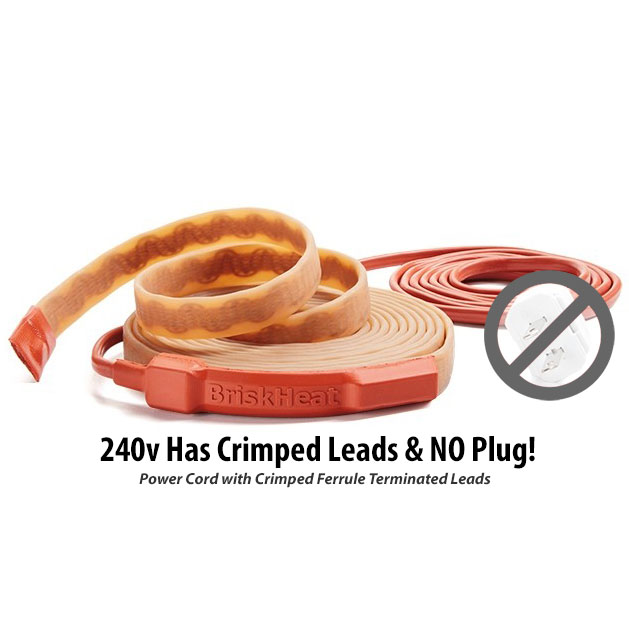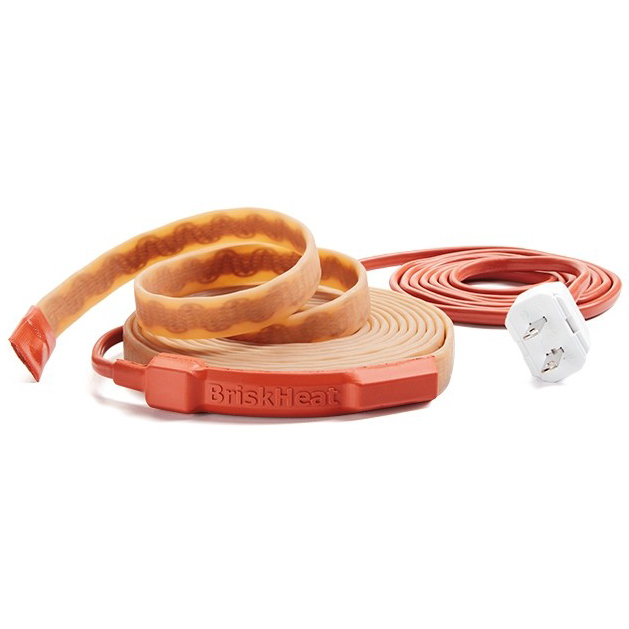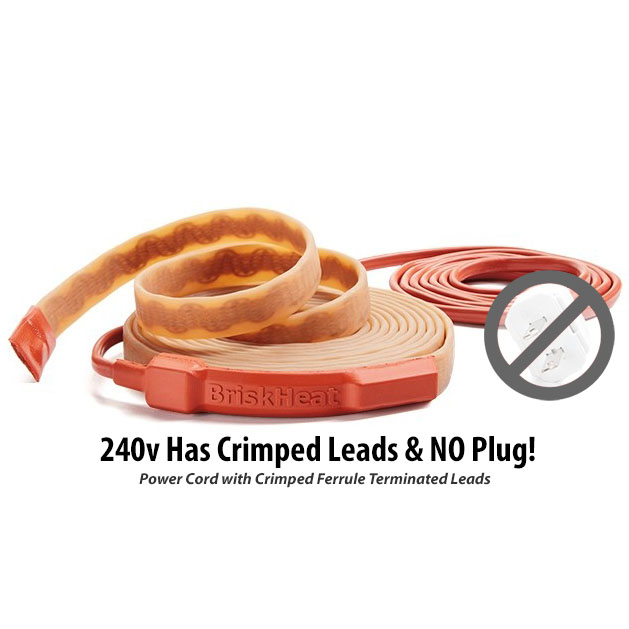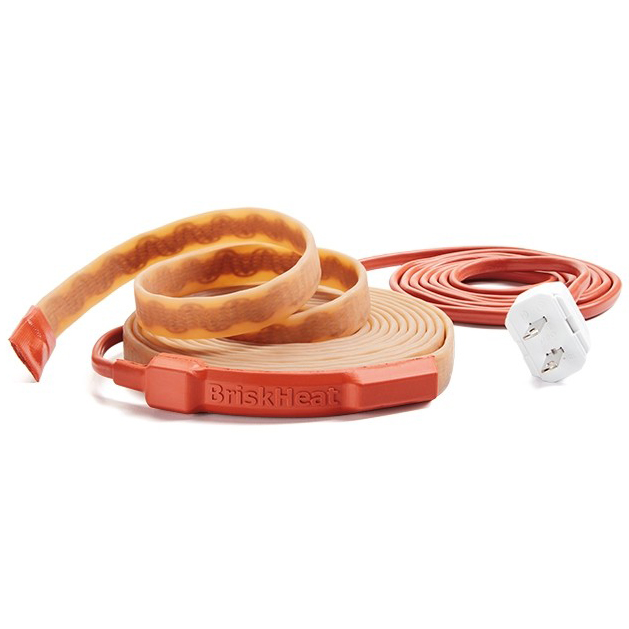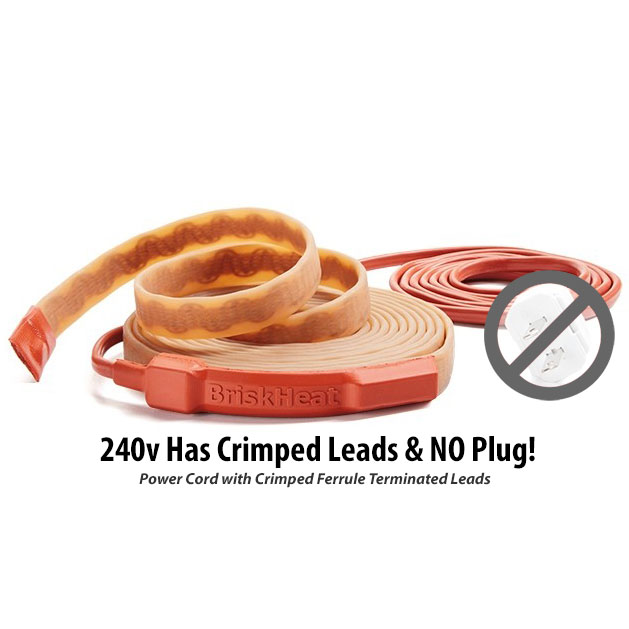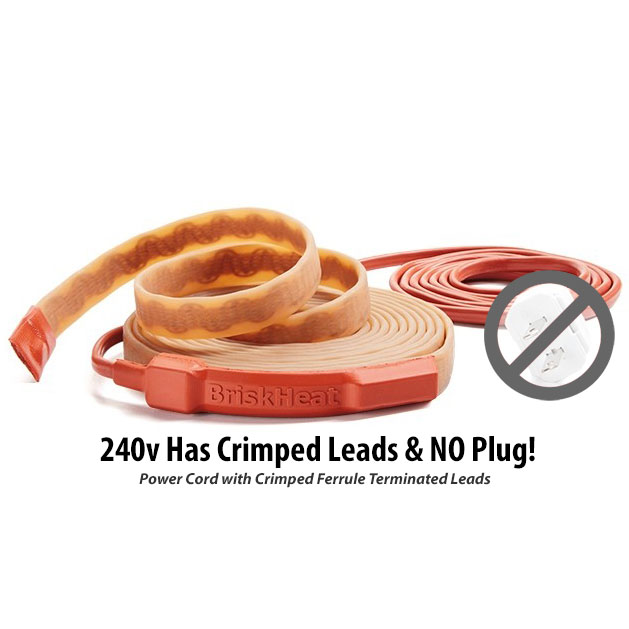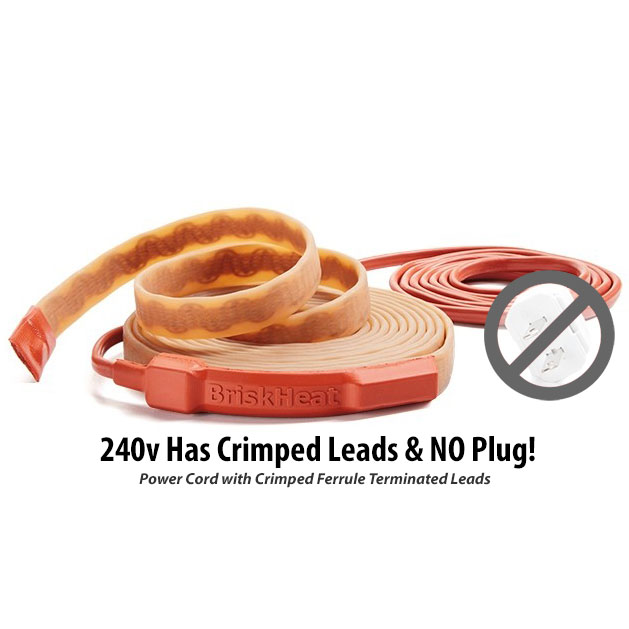
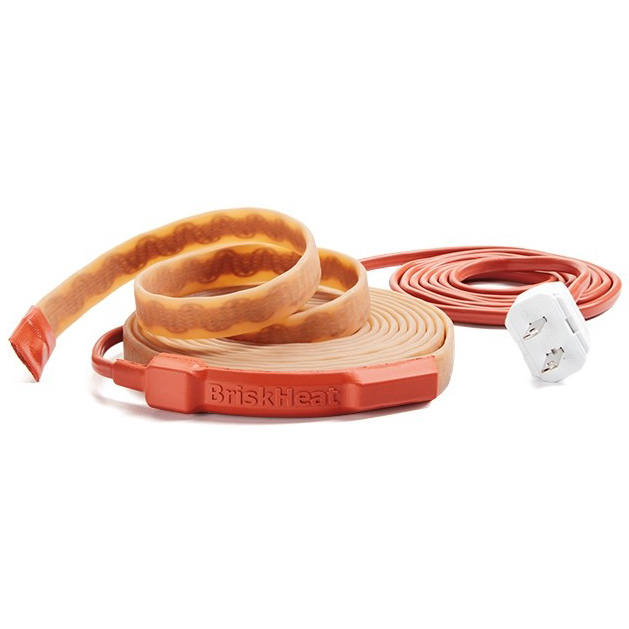
Silicone Heating Tapes are a new solution to traditional heat trace cable. The RKP tapes have an ultra-thin profile with a super flexible 1/4” (6mm) bend radius. The RKP heating tapehas a low watt-density of 6W/ft to provide safe operation and avoid overheating. No temperature controller is required because a built-in, set thermostat continuously monitors and controls the temperature output of the heater. The complete unit is fully encapsulated in silicone rubber to provide an extremely flexible, durable, and moisture resistant heater. This design makes an extremely versatile heater for a wide variety of indoor/outdoor installations.
Viewed Products
-
L Shape Triple Bayonet 6000 watt - 17" Horizontal - 37" Vertical
$1,110.60
-
2.5" Insertion Cartridge Heater 200w 120/240v
$52.22
-
Vertical Stack Triple Bayonet 12000 watt - 26" Horizontal - 37" Vertical
$1,359.00
-
2.5" Insertion Cartridge Heater 500w 240v SS Braid
$85.06
-
3"D x 3"W Nozzle Band Heater 120/240V 1000W High Temp Leads
$41.97
-
4" Insertion Cartridge Heater 125w 240v SS Braid
$102.48
-
4.5" Insertion Cartridge Heater 250w 240v
$74.24
-
3600W 46" Double Element Radiant Process Heater Assembly
$875.00
-
Heat Trace Caution Labels 10 Pack
$10.00
-
2" Insertion Cartridge Heater 75w 120v SS Flex Conduit
$73.55

Why Choose Heating Elements Plus?
Heating Elements Plus is the online sales division of Protherm Industries, Inc., based in Nashville, Tennessee. With over 40 years of experience in process and industrial heating, we are more than just a supplier—we are a trusted partner who understands the demands of your industry.
Whether you’re looking to place an order directly through our secure online store or need help from one of our engineers, we are here to provide fast, reliable, and knowledgeable service.


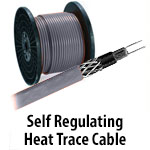
Self Regulating Heat Trace Cable
Self-Regulating Heat Cable is commonly used for freeze protection of water and drain lines, and for protecting residential and commercial roofs and gutters from ice dams. The temperature rating is for the heat cable’s outer jacket and has nothing to do with the actual temperature of the cable. For most residential applications, you will choose the low temperature cable, as most water lines in the home never exceed 150 degrees.