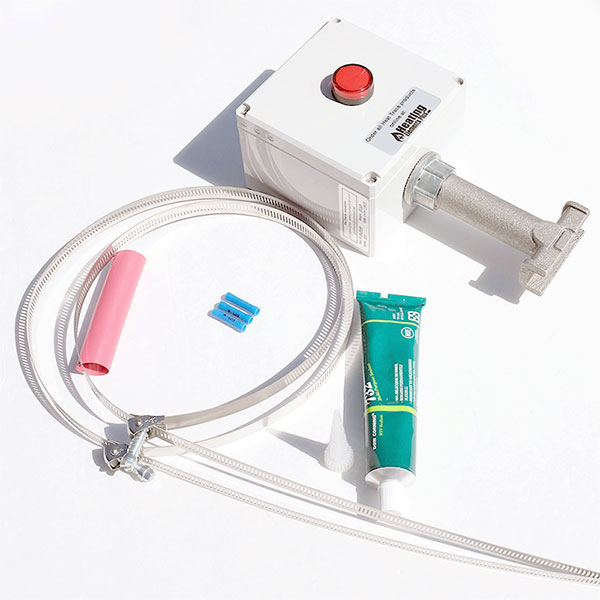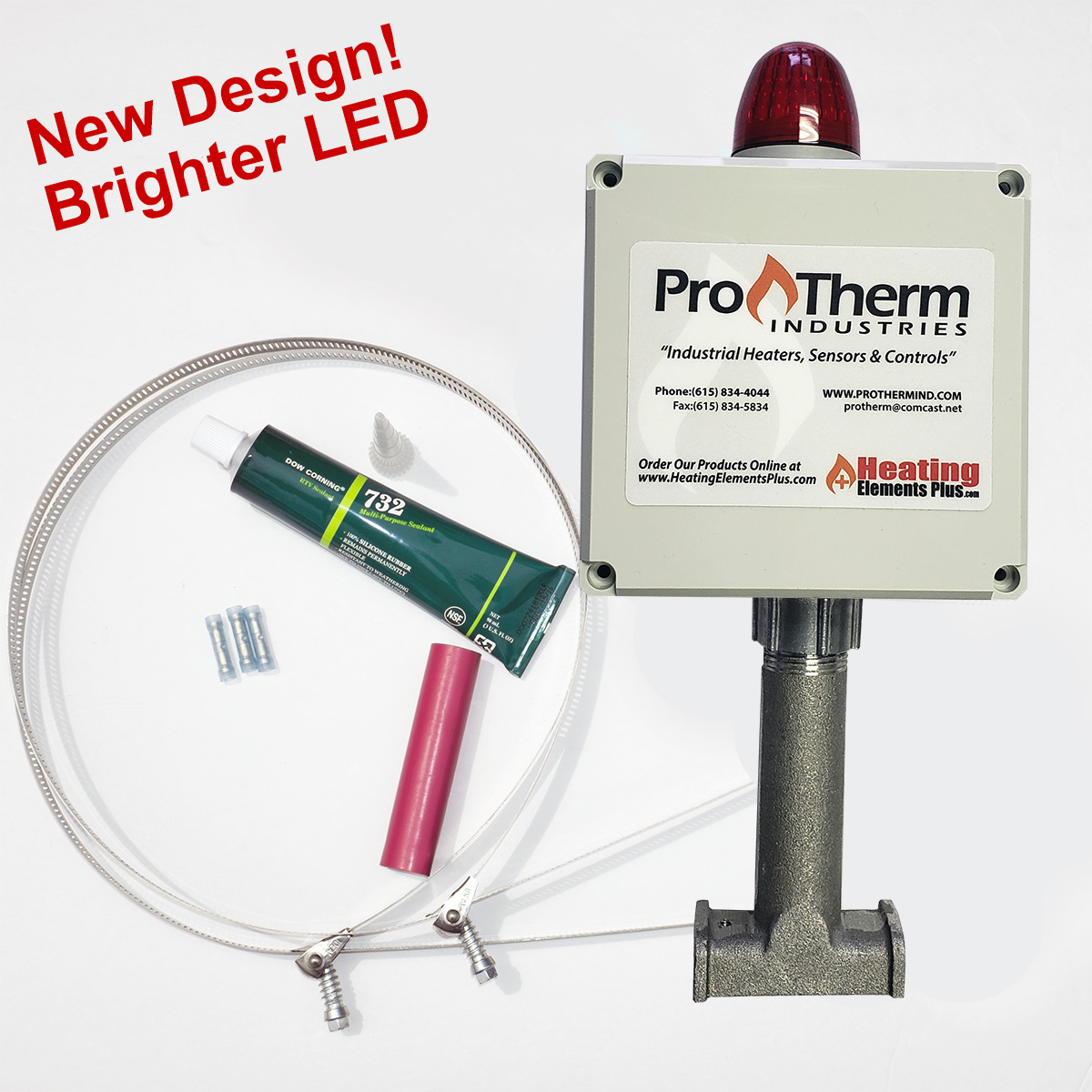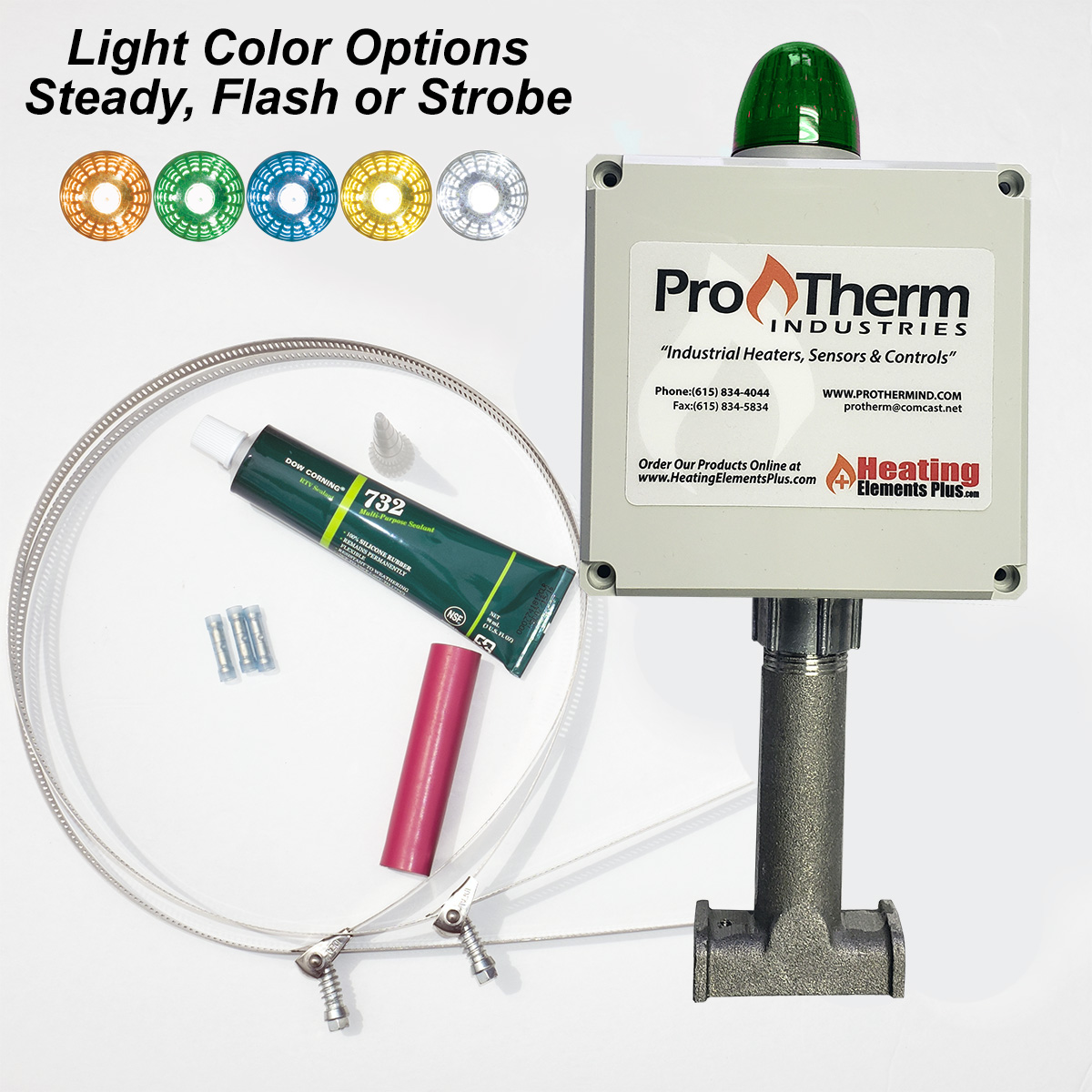
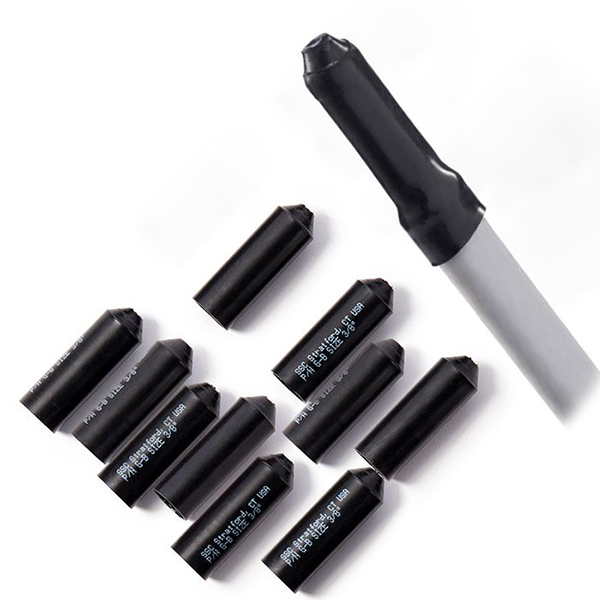
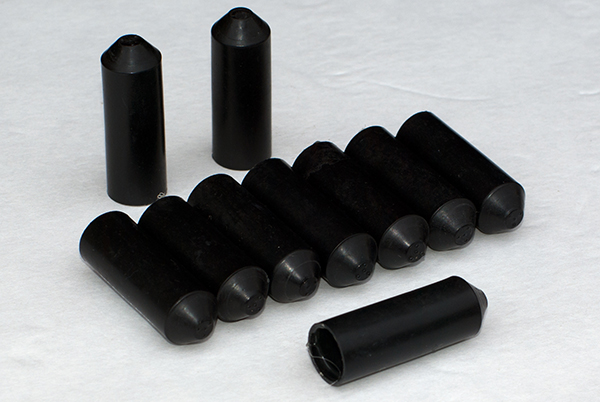
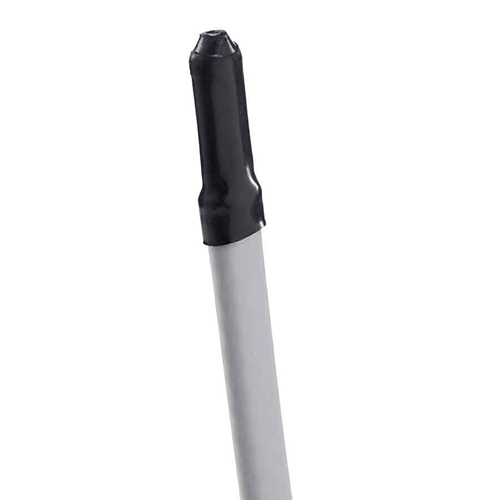
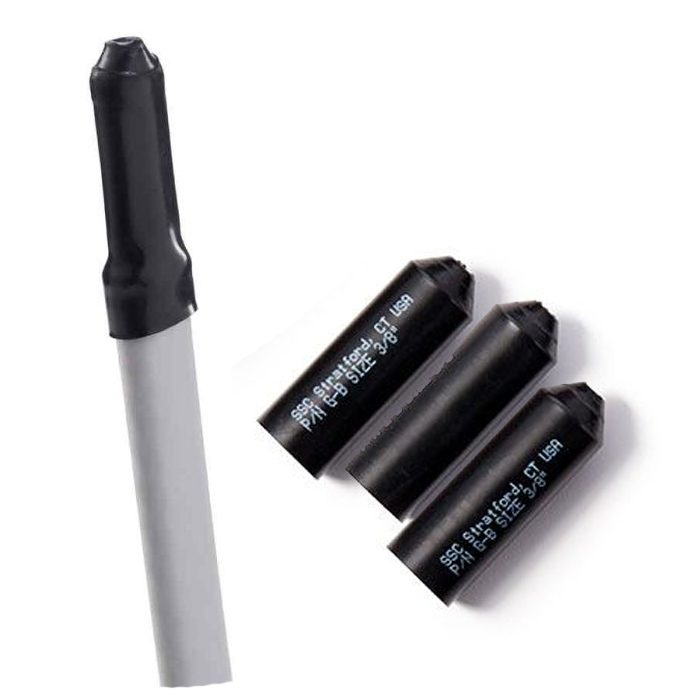
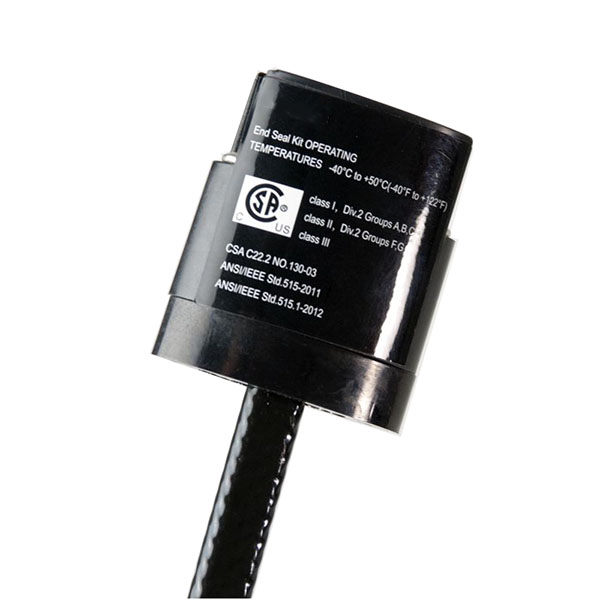
End Seal Kit – FM Approved
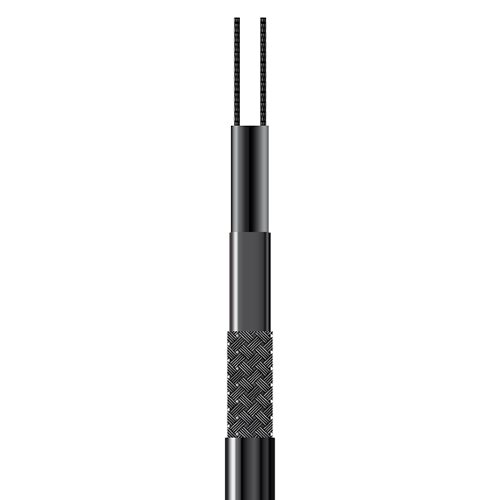
This kit is specifically designed for Self-Regulating Low Temperature Heat Trace Cables.
One kit can complete: 10 end terminations.
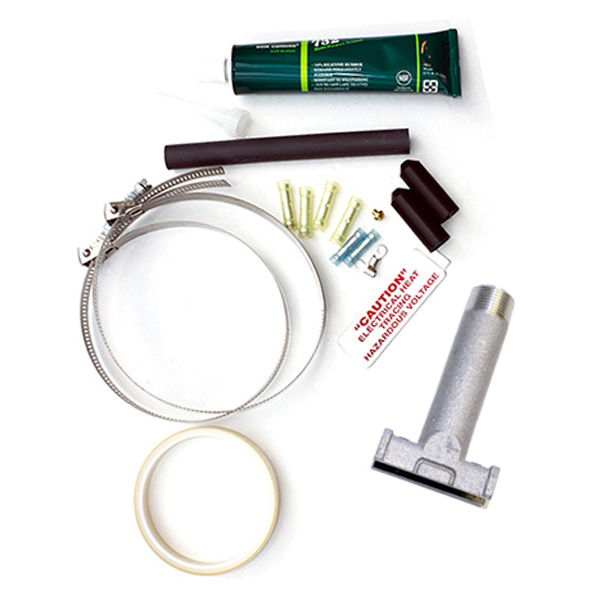
Each Kit Includes:
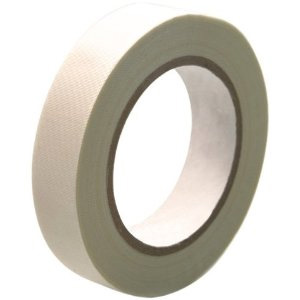
- Qty 10: Heat shrink tubes

$39.50
End Seal Kit – FM Approved
This kit is specifically designed for Self-Regulating Low Temperature Heat Trace Cables.
One kit can complete: 10 end terminations.
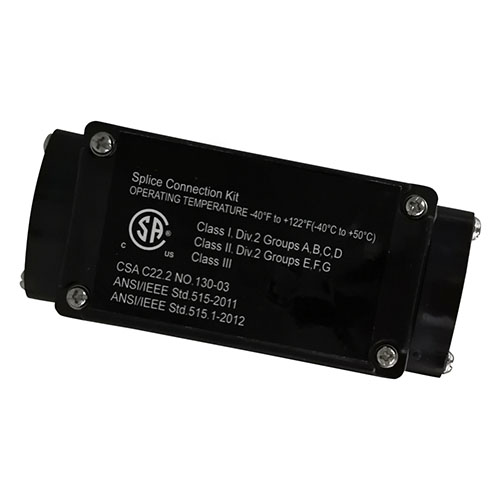
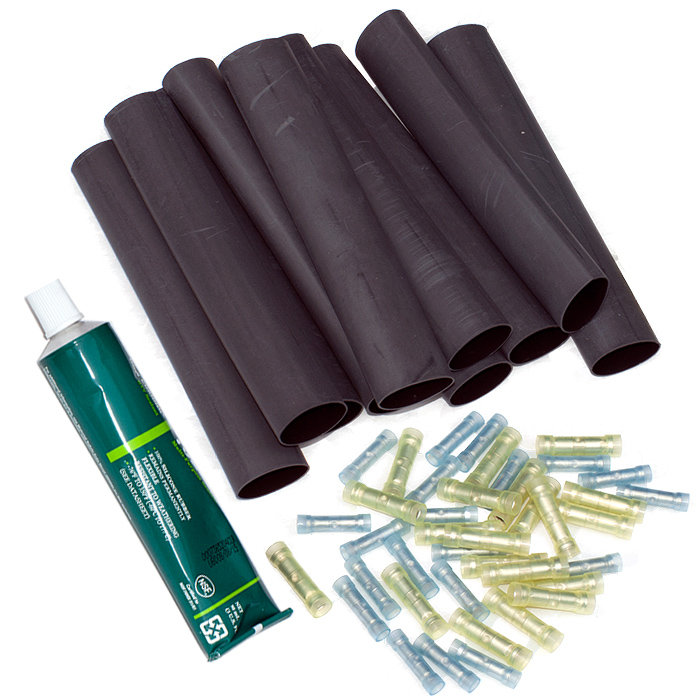
End Seal Kit – FM Approved
This kit is specifically designed for Self-Regulating Low Temperature Heat Trace Cables.
One kit can complete: 10 end terminations.
Each Kit Includes:
| Weight | 1 lbs |
|---|
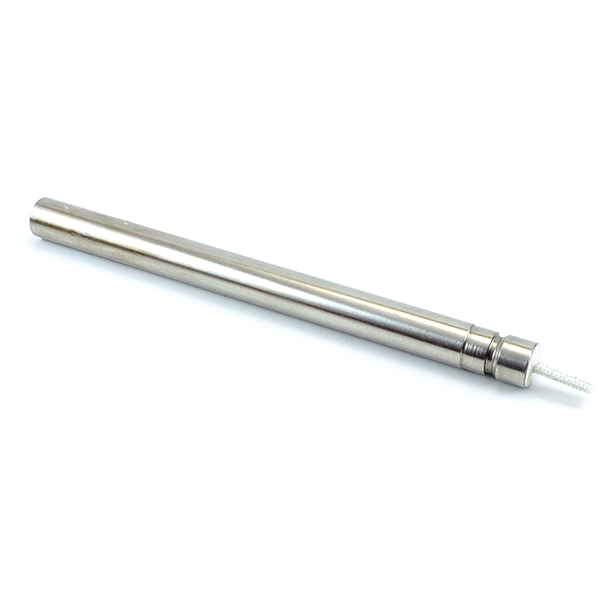
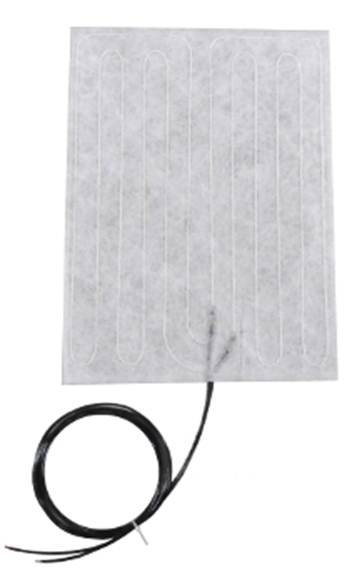
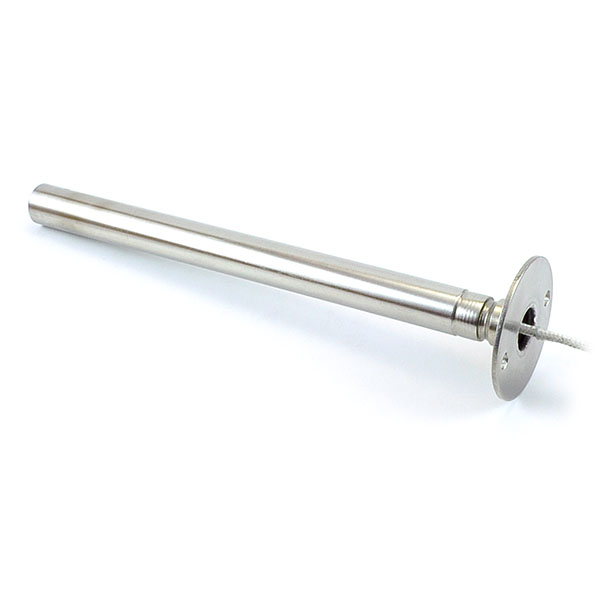
 1.5" Insertion Cartridge Heater 50w 120v Epoxy Potting
$61.71
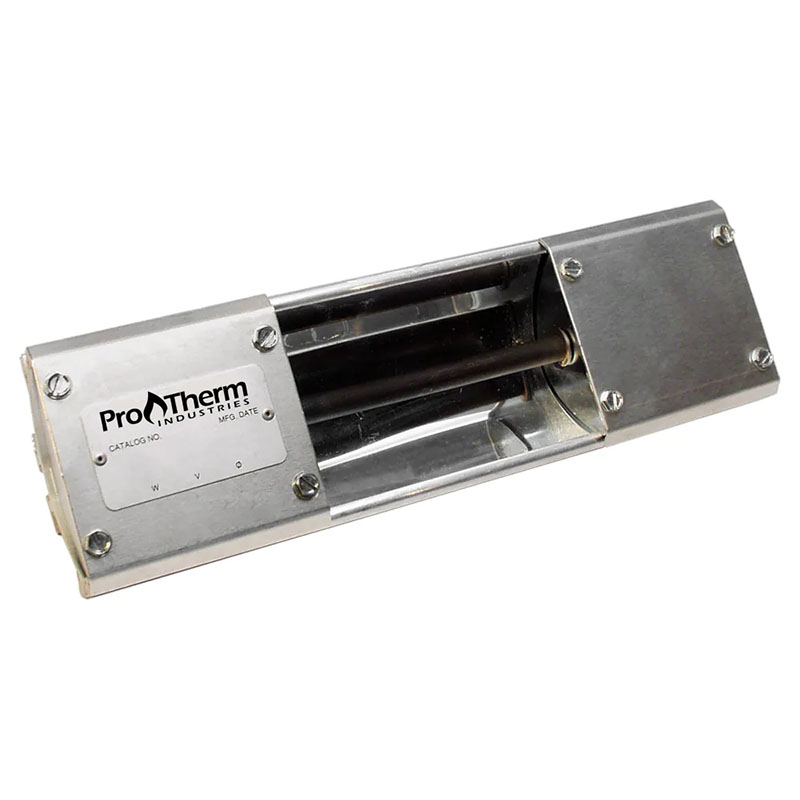
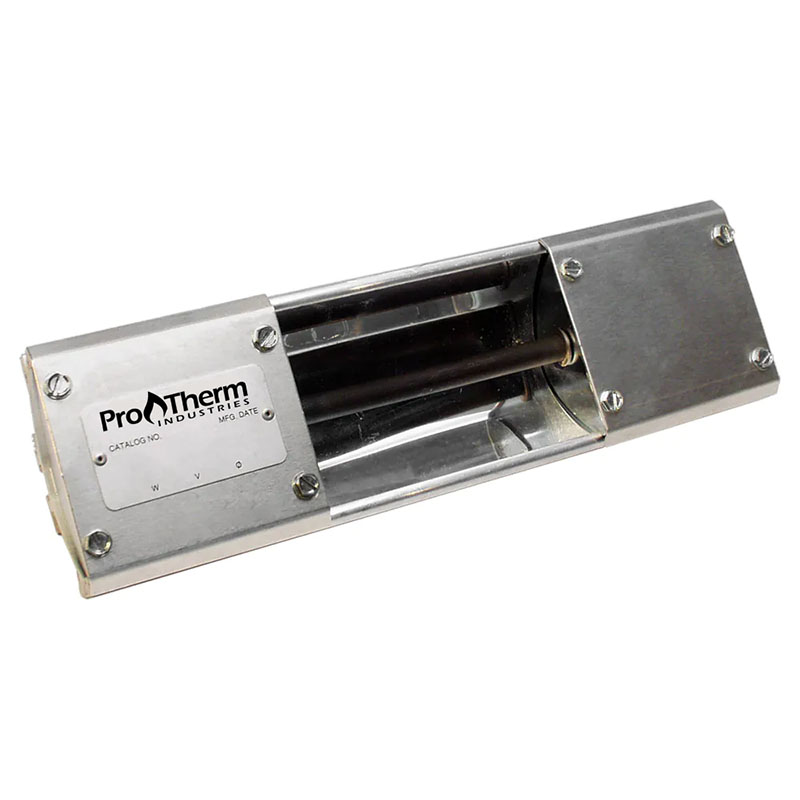
800W 24" Single Element Radiant Process Heater Assembly
$523.00
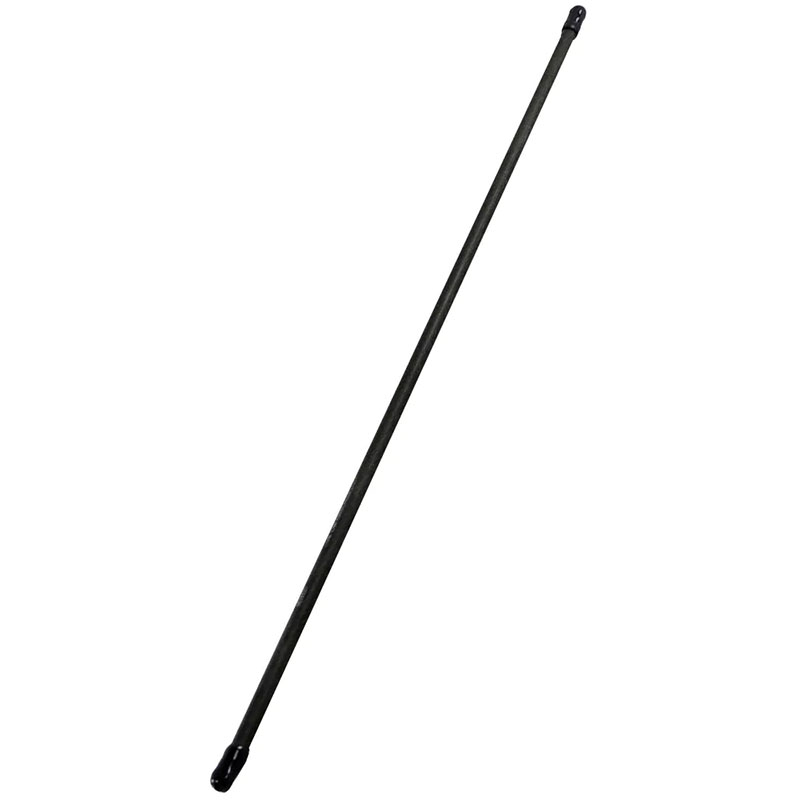
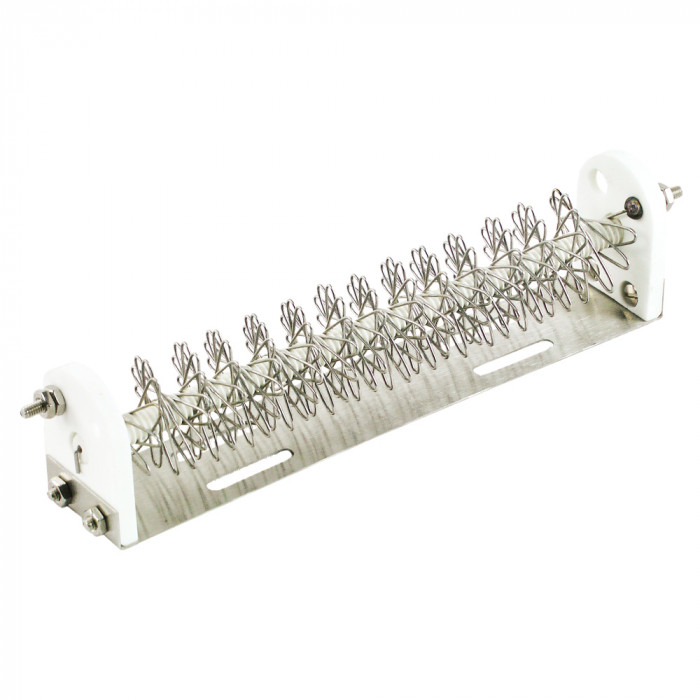
Radiant Heater Replacement Element
$105.00
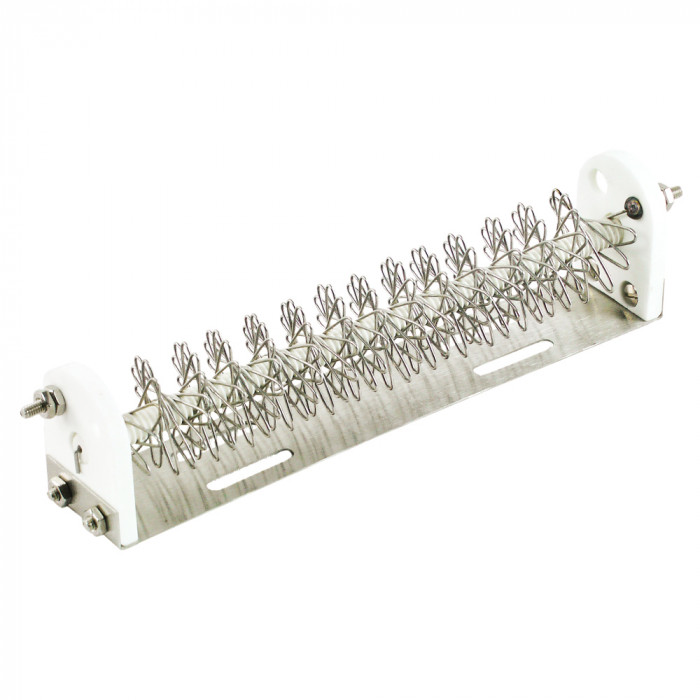
600/2150W Single Element 8" Open Coil Convection Heater Connections at Opposite Ends
$309.35
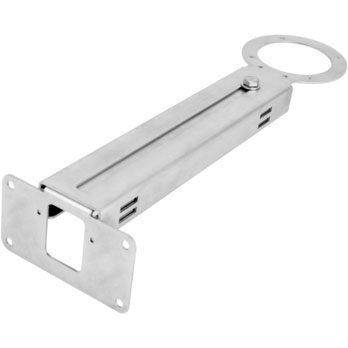
Power Modulator Wall-Mounting Bracket for Aerial Sensor
$119.00
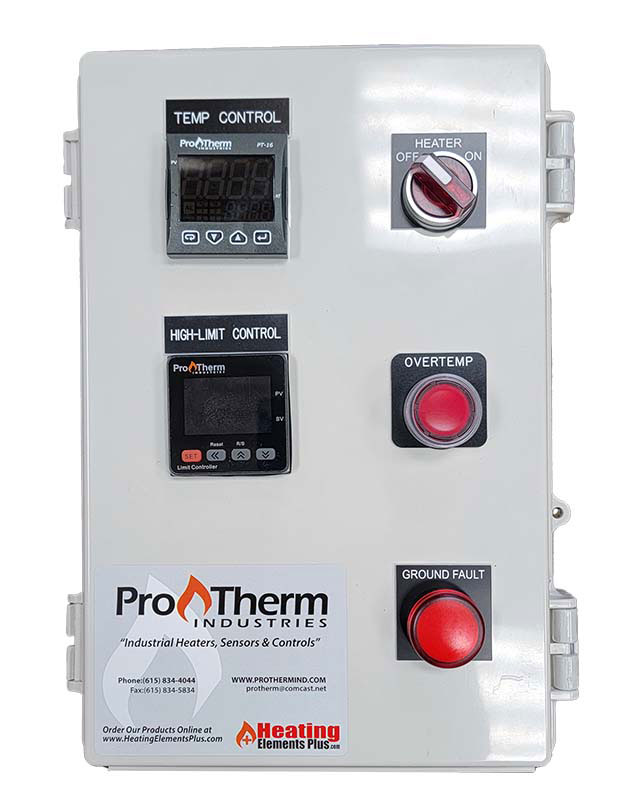
Heated Hose Process Control Panel
$895.00
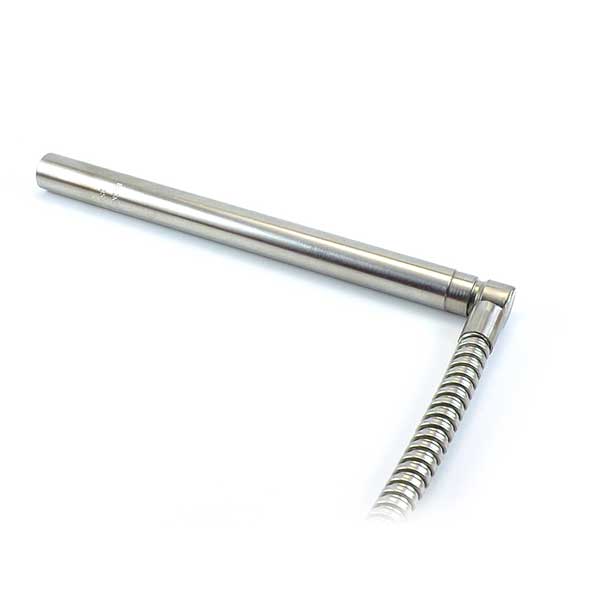
8.5" Insertion Cartridge Heater 500w 240v SS Rt. Angle Conduit
$155.49
3600W 86" Single Element Radiant Process Heater Assembly
$860.00
1150/4250W Single Element 8" Open Coil Convection Heater Connections at Opposite Ends
$309.35
4.5" Insertion Cartridge Heater 175w 120v
$74.24
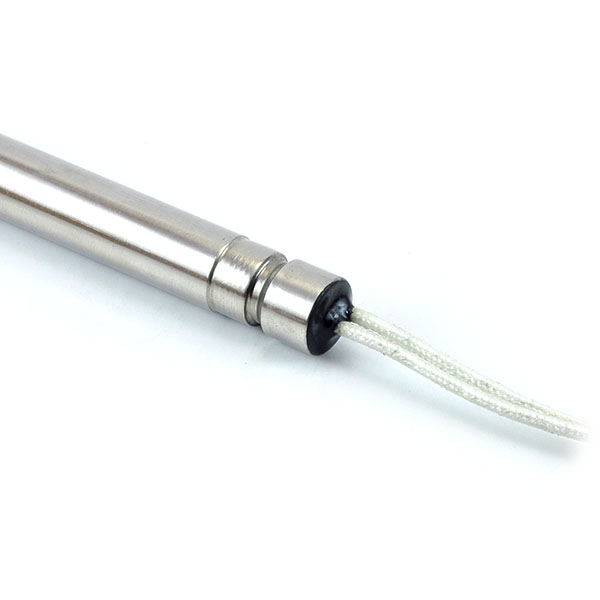
1.5" Insertion Cartridge Heater 50w 120v Epoxy Potting
$61.71
800W 24" Single Element Radiant Process Heater Assembly
$523.00
Radiant Heater Replacement Element
$105.00
600/2150W Single Element 8" Open Coil Convection Heater Connections at Opposite Ends
$309.35
Power Modulator Wall-Mounting Bracket for Aerial Sensor
$119.00
Heated Hose Process Control Panel
$895.00
8.5" Insertion Cartridge Heater 500w 240v SS Rt. Angle Conduit
$155.49
3600W 86" Single Element Radiant Process Heater Assembly
$860.00
1150/4250W Single Element 8" Open Coil Convection Heater Connections at Opposite Ends
$309.35
4.5" Insertion Cartridge Heater 175w 120v
$74.24

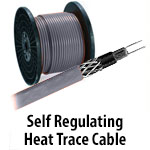
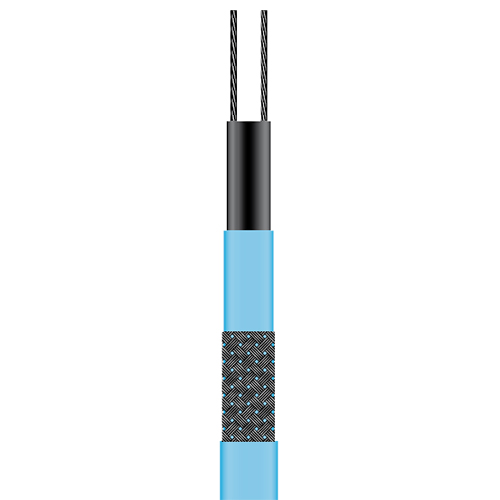
Self-Regulating Heat Cable is commonly used for freeze protection of water and drain lines, and for protecting residential and commercial roofs and gutters from ice dams. The temperature rating is for the heat cable’s outer jacket and has nothing to do with the actual temperature of the cable. For most residential applications, you will choose the low temperature cable, as most water lines in the home never exceed 150 degrees.